
digital culture
Quantum Computing 101
Quantum Computers Animated, Piled Higher and Deeper (PHD Comics)
The illustrations for this video on quantum computing are fantastic, especially the "0/1" transition at 1:40.
(via Hacker News)
(Revised and republished April 19th, 2025)
Hipsters and nice-looking web pages
Unintentional Hipster Faculty (Wayback Machine link)
Making a nice-looking Web page is just too hard. The physicists across the street are teleporting matter! But yesterday I had to read a tutorial on how to vertically center an image.

(Revised and republished April 21st, 2025)
The Quantum Cloud
Google Buys a Quantum Computer
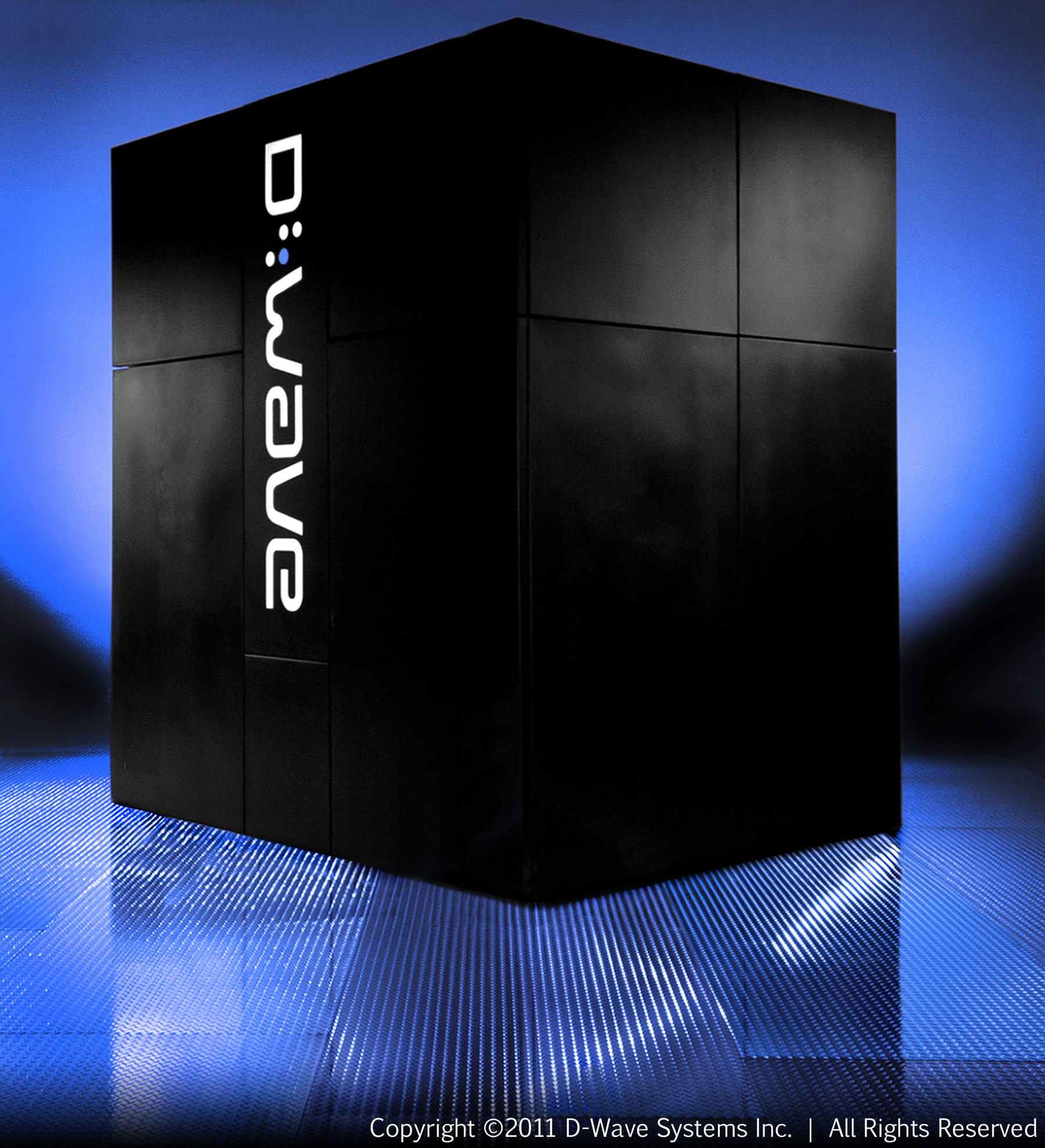
Google did not say how it might deploy a quantum computer into its existing global network of computer-intensive data centers, which are among the world’s largest. D-Wave, however, intends eventually for its quantum machine to hook into cloud computing systems, doing the exceptionally hard problems that can then be finished off by regular servers.
It’s not very interesting on the exterior, just another black box – actually I wonder if there’s even a computer inside the black monolith in the image below. More pictures of the interior of the quantum “mainframe” would be great.
(Revised and republished April 21st, 2025)
The "3000-pound spreadsheet machine"
If It Ain’t Broke, Don’t Fix It: Ancient Computers in Use Today (Wayback Machine link)
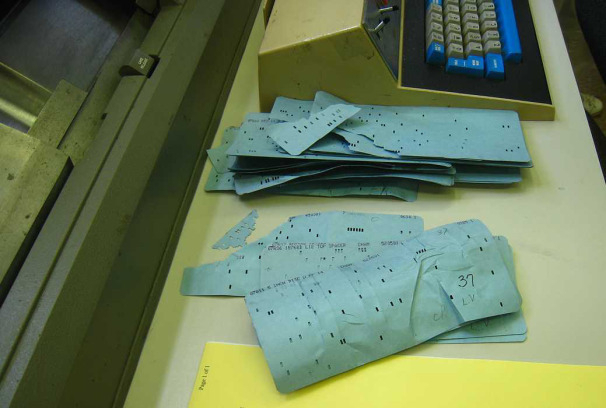
Companies traditionally used the 402 for accounting, since the machine could take a long list of numbers, add them up, and print a detailed written report. In a sense, you could consider it a 3000-pound spreadsheet machine. That’s exactly how Sparkler Filters uses its IBM 402, which could very well be the last fully operational 402 on the planet. As it has for over half a century, the firm still runs all of its accounting work (payroll, sales, and inventory) through the IBM 402. The machine prints out reports on wide, tractor-fed paper.
This is pretty amazing. I’ve seen older systems in use recently, like Windows 95, but this is just extraordinary.
(Revised and republished April 21st, 2025)
Keeping TaB with diet soda
TaB soda was named by an IBM mainframe (Wayback Machine link) – now it makes sense. The name was supposed to relate to keeping “tabs” on your weight (Wayback Machine link), rather than being an acronym for “totally artificial beverage.”
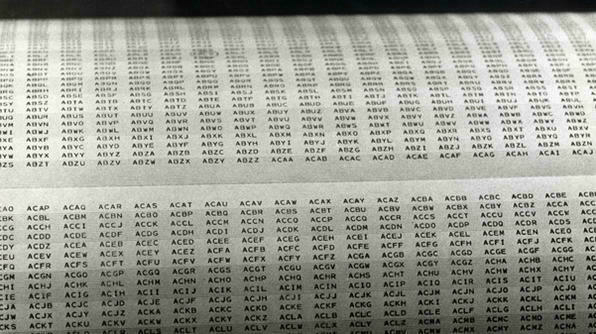
To obtain a list of potential names, William Mannen, chief programmer for data processing, programmed the company’s IBM 1401 (Wayback Machine link) mainframe computer to print all possible four-letter word combinations containing a vowel or vowel-sounding letter. The results took a day to print and contained more than 300,000 possible combinations. This list was narrowed down to 600 possibilities, which were then given to the legal department to check against existing trademarks. After legal narrowed the list again, TaB was chosen from among the final two dozen contenders. Why? Because it was distinctive and easy to remember, and it projected the desired image.
(via @melissaterras on Twitter)
(Revised and republished April 21st, 2025)
A Courtesy - Not an Obligation
Some might as a courtesy, but it shouldn’t be considered an obligation.
via DF
(Revised and republished April 21st, 2025)
The artistry of the postmodern GIF
Animated GIFs: The Birth of a Medium | Off Book | PBS Digital Studios
(Revised and republished April 21st, 2025)
Presenting in Seattle
I just returned from a history conference in Seattle. It was the annual meeting of the Pacific Coast Branch of the American Historical Association (Wayback Machine link). It was a great conference, well run, and very friendly.
I presented, "Processing the Suburbs: Gender, Technology, and Paperwork in Postwar America." At the heart of the paper is the need to provide a historical component to the Digital Humanities, and to better understand the historical foundations of modern digital culture.
(Revised and republished April 21st, 2025)
Blogging, 18th-Century Style
Harvard Historian Robert Darnton on Blogging, 18th-Century Style – The Getty Iris.
An 18th-century information society?
It bugs me when people say, “we live in the information society,” as if ours is the first one that ever came into existence. Every society is an information society, according to the technologies of the time.
(Revised and republished April 21st, 2025)