BAM Colloquium this Friday
Please join us for the Year-End Colloquium for Graduate Students in "BAM." Designated Emphasis in Book, Archive, and Manuscript Studies – http://bam.ucr.edu (Wayback Machine link)
Friday, June 7, 2013. 10:00am to Noon
English Department Conference Room (HMNSS 2212)
Presentations by Steve Anderson, Cori Knight, and Heather Van Mouwerik
Display of printshop projects by Rebecca Addicks, Ann Garascia, Cori Knight, Jessica Roberson, and Anne Sullivan
This will also be a celebration of the new Mellon Workshop Grant awarded to the Material Cultures of the Book Working Group – http://bookhistory.ucr.edu (Wayback Machine link)
(Revised and republished April 23rd, 2025)
CDH event: Animated Music Screening and Talk - May 30th
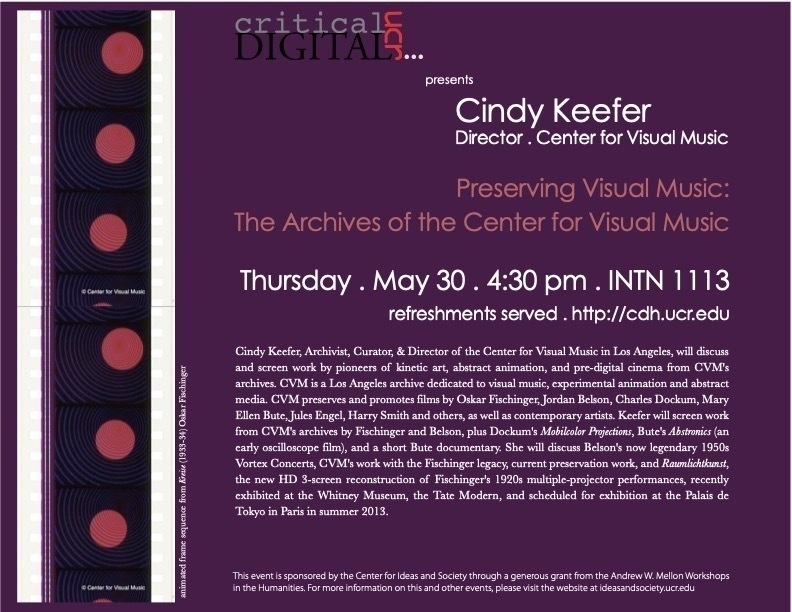
Cindy Keefer, Archivist, Curator & Director . Center for Visual Music
Preserving Visual Music : The Archives of the Center for Visual Music
THURSDAY . May 30, 2013 . 4:30 PM . INTN 1113 . Refreshments served .
Cindy Keefer, Director of the Center for Visual Music Los Angeles, will discuss and screen work by pioneers of kinetic art, abstract animation and pre-digital cinema from CVM's archives. CVM is a Los Angeles archive dedicated to visual music, experimental animation and abstract media. CVM preserves and promotes films by Oskar Fischinger, Jordan Belson, Charles Dockum, Mary Ellen Bute, Jules Engel, Harry Smith and others, as well as contemporary artists. Keefer will screen work from CVM's archives by Fischinger and Belson, plus Dockum's Mobilcolor Projections, Bute's Abstronics (an early oscilloscope film), a short Bute documentary, and more. She will also discuss Belson's now legendary 1950s Vortex Concerts, CVM's work with the Fischinger legacy, current preservation work, and Raumlichtkunst, the new HD 3-screen reconstruction of Fischinger's 1920s multiple-projector performances, recently exhibited at the Whitney Museum, the Tate Modern, and scheduled for exhibition at the Palais de Tokyo in Paris in summer 2013.
This is the last event Critical Digital Humanities will host for the 2012-2013 season. Please join us for this exciting presentation. [cdh.ucr.edu](http://cdh.ucr.edu)
(Revised and republished April 23rd, 2025)
The Quantum Cloud
Google Buys a Quantum Computer
Google did not say how it might deploy a quantum computer into its existing global network of computer-intensive data centers, which are among the world’s largest. D-Wave, however, intends eventually for its quantum machine to hook into cloud computing systems, doing the exceptionally hard problems that can then be finished off by regular servers.
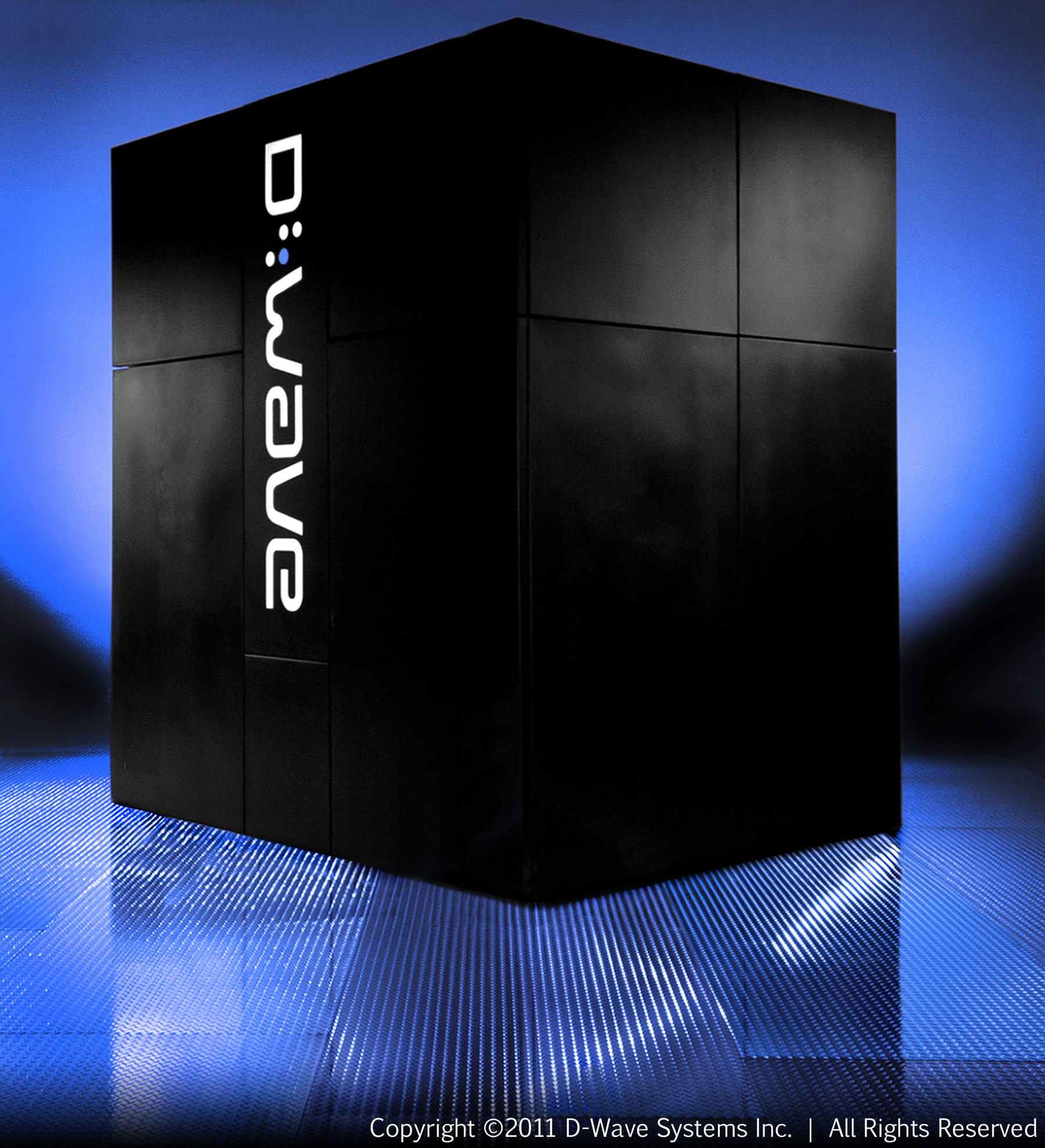
It’s not very interesting on the exterior, just another black box – actually I wonder if there’s even a computer inside the black monolith in the image below. More pictures of the interior of the quantum “mainframe” would be great.
(Revised and republished April 21st, 2025)
Geographies of Detention at UCR Arts Block
UCR ARTSblock presents the exhibition: Geographies of Detention: From Guantánamo to the Golden Gulag
June 1 – September 7, 2013*
California Museum of Photography, UCR ARTSblock
The "3000-pound spreadsheet machine"
If It Ain’t Broke, Don’t Fix It: Ancient Computers in Use Today (Wayback Machine link)
Companies traditionally used the 402 for accounting, since the machine could take a long list of numbers, add them up, and print a detailed written report. In a sense, you could consider it a 3000-pound spreadsheet machine. That’s exactly how Sparkler Filters uses its IBM 402, which could very well be the last fully operational 402 on the planet. As it has for over half a century, the firm still runs all of its accounting work (payroll, sales, and inventory) through the IBM 402. The machine prints out reports on wide, tractor-fed paper.
This is pretty amazing. I’ve seen older systems in use recently, like Windows 95, but this is just extraordinary.
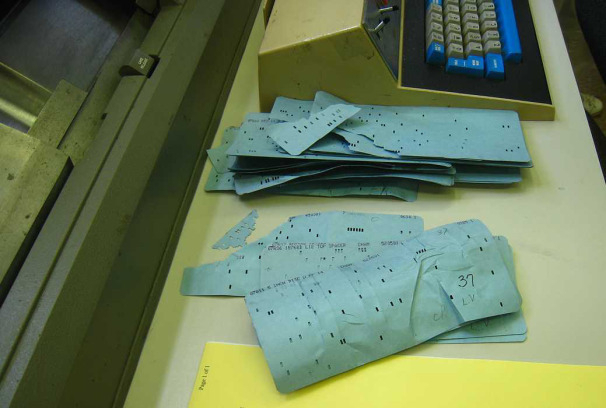
(Revised and republished April 21st, 2025)
Keeping TaB with diet soda
TaB soda was named by an IBM mainframe (Wayback Machine link) – now it makes sense. The name was supposed to relate to keeping “tabs” on your weight (Wayback Machine link), rather than being an acronym for “totally artificial beverage.”
To obtain a list of potential names, William Mannen, chief programmer for data processing, programmed the company’s IBM 1401 (Wayback Machine link) mainframe computer to print all possible four-letter word combinations containing a vowel or vowel-sounding letter. The results took a day to print and contained more than 300,000 possible combinations. This list was narrowed down to 600 possibilities, which were then given to the legal department to check against existing trademarks. After legal narrowed the list again, TaB was chosen from among the final two dozen contenders. Why? Because it was distinctive and easy to remember, and it projected the desired image.
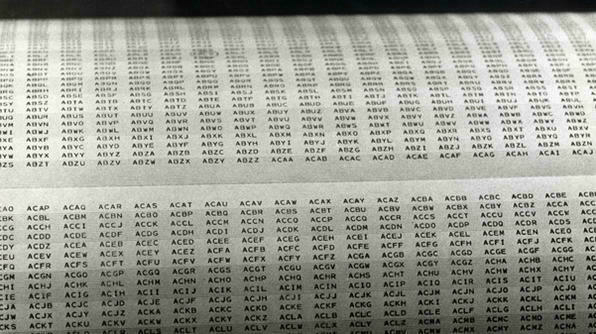
(via @melissaterras on Twitter)
(Revised and republished April 21st, 2025)
Yosemite - Summer 2012
About a month or so ago my wife and I went on a camping trip with some friends in Yosemite National Park. It was much warmer than we thought it would be, and there were even a few mild rain showers, but overall it was a wonderful trip. This wasn't my first time camping, but it was my first trip to Yosemite and the valley was just beautiful. We didn't branch out into the wilderness too much, as we were just there for a couple of days. After a long day of travel on foot, the pizza and beer at the Curry Village Pizza Deck (Wayback Machine link) was a lifesaver... more than once!
Sadly, it's come to light that several people who stayed in Curry Village's "signature tent cabins" were infected with hantavirus (Wayback Machine link) during the same time we were in Yosemite, and a few people have died. The cabins in question were poorly designed; they were built in 2009 after a rockfall from Glacier Point destroyed buildings and caused minor injuries (Wayback Machine link). The continued high risk of rockfalls (Wayback Machine link) has prompted the closure of other areas of the park as well. We camped in our own tent and never saw any mice, but we did hear a colossal boom and cracking sound in the late afternoon that we could only assume to be a rockfall somewhere in the valley.
Now on to the photos – I'm going to save all the silly, sweaty, hiking photographs for my personal file and just stick to some nice landscape shots.
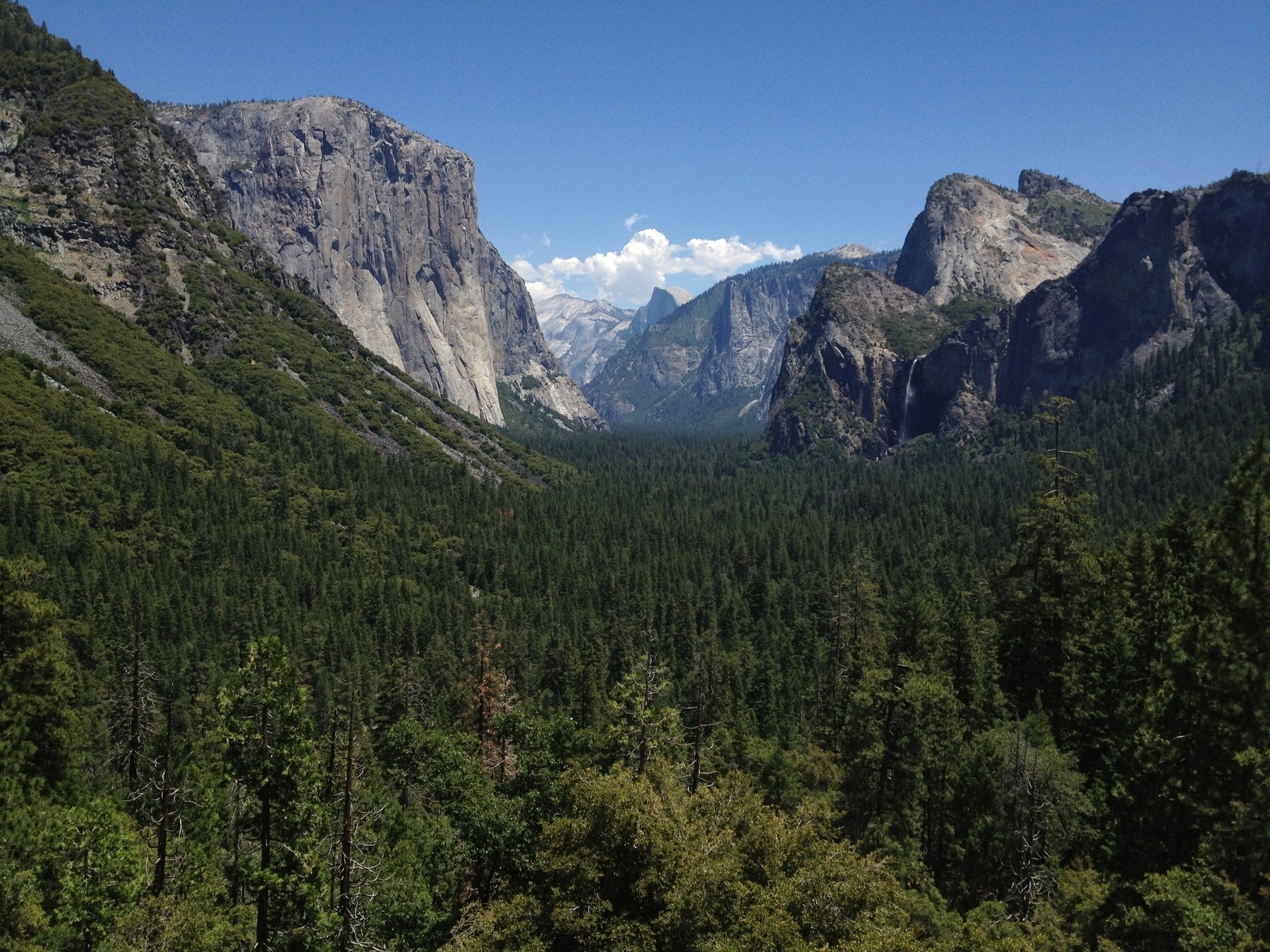
The first picture is of the Wawona Tunnel View, this is the classic Yosemite picture that all first-timers just have to take. On the left side of this photo is El Capitan, in the center is Half Dome, and on the right side is Bridalveil Fall. There are many other rock formations in the largely granite, glacier-carved valley, but El Capitan and Half Dome are perhaps the most famous.
Map of the Inca Empire
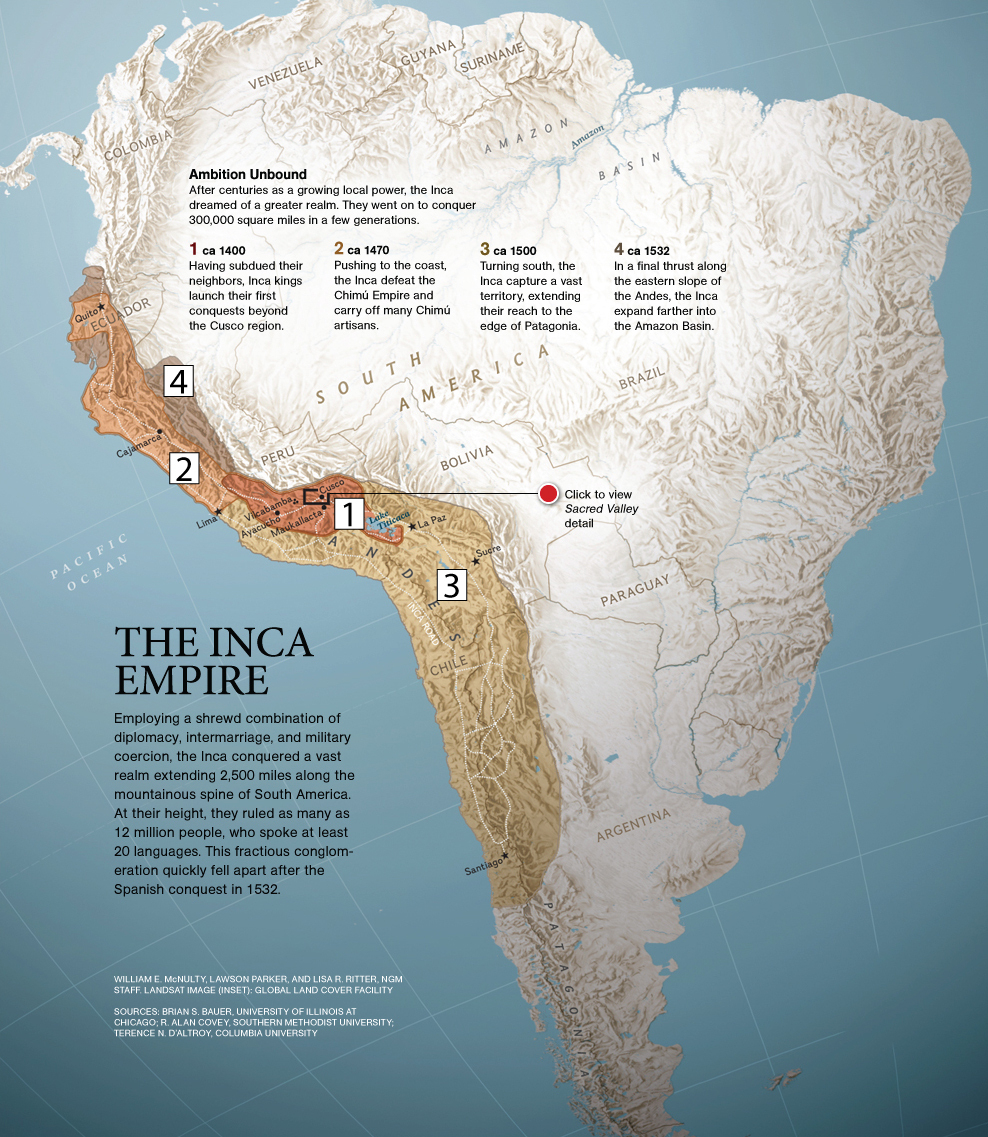
This map of the Inca Empire (Wayback Machine link) is great for showing the rapid expansion of the Incas across the Andes region. On the original map it was a little difficult to correlate the numbered excerpts with the colored regions, so I made new numbers that will show up a little better on classroom projectors.
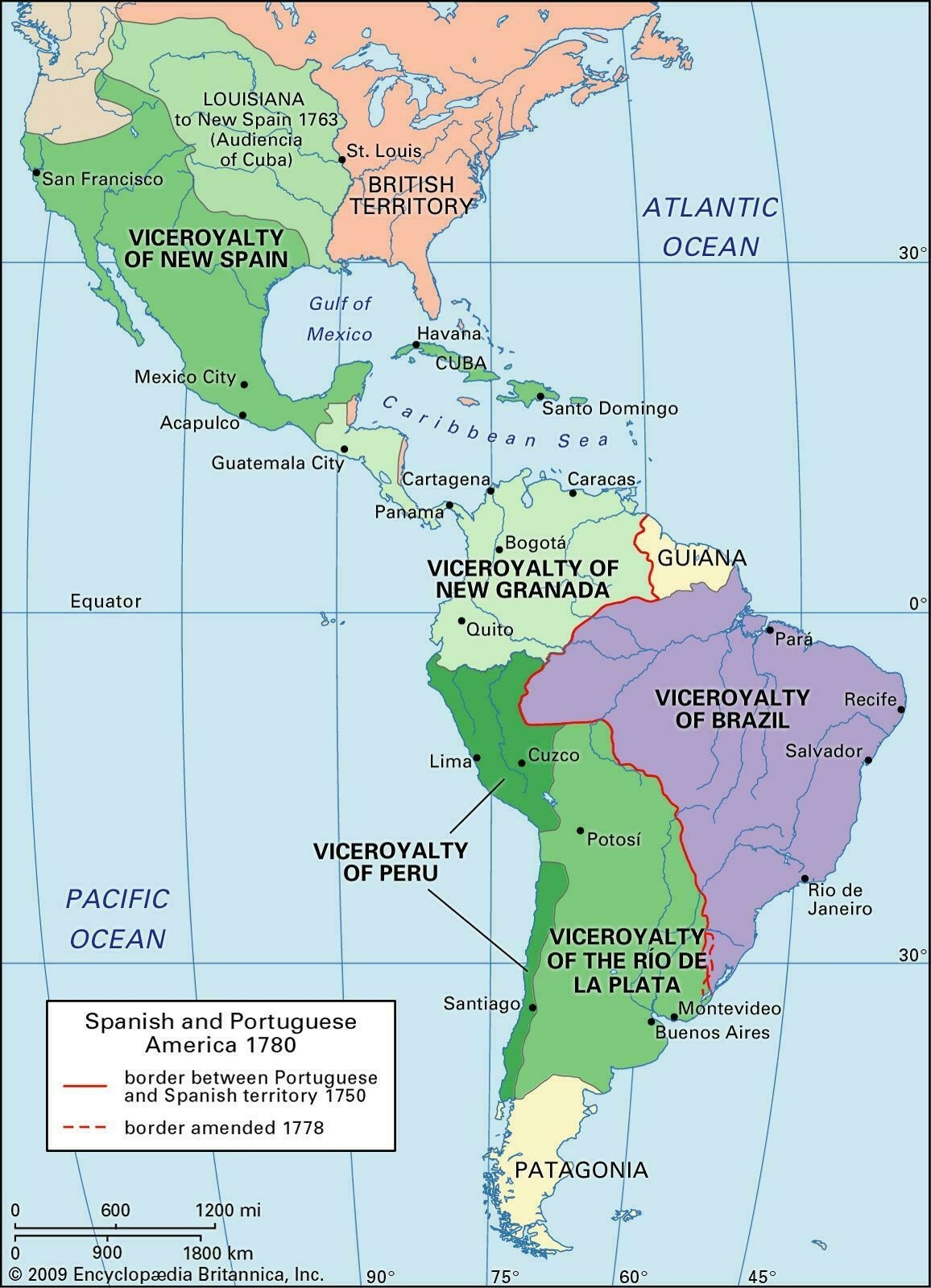
Map of Spanish Viceroyalties
I came across this map of Spanish viceroyalties (link no longer available) a few months ago, and since it can be difficult to find good maps online I thought I'd post it here. Even though there's a plethora of maps on the Internet, it still seems like the best ones are either overhead-projector transparencies, or printed in books. This map is of Spanish territory in the Americas during the eighteenth century – it covers all of Latin America and the Spanish-American colonial empire, as well as neighboring British territory, and the Portuguese viceroyalty of Brazil.
The Spanish viceroyalties shown on the map are:
- Viceroyalty of New Spain
- Viceroyalty of New Granada
- Viceroyalty of Peru
- Viceroyalty of the Río de la Plata
(Revised and republished April 21st, 2025)
Ruins of the Acropolis, 1966 - Athens, Greece
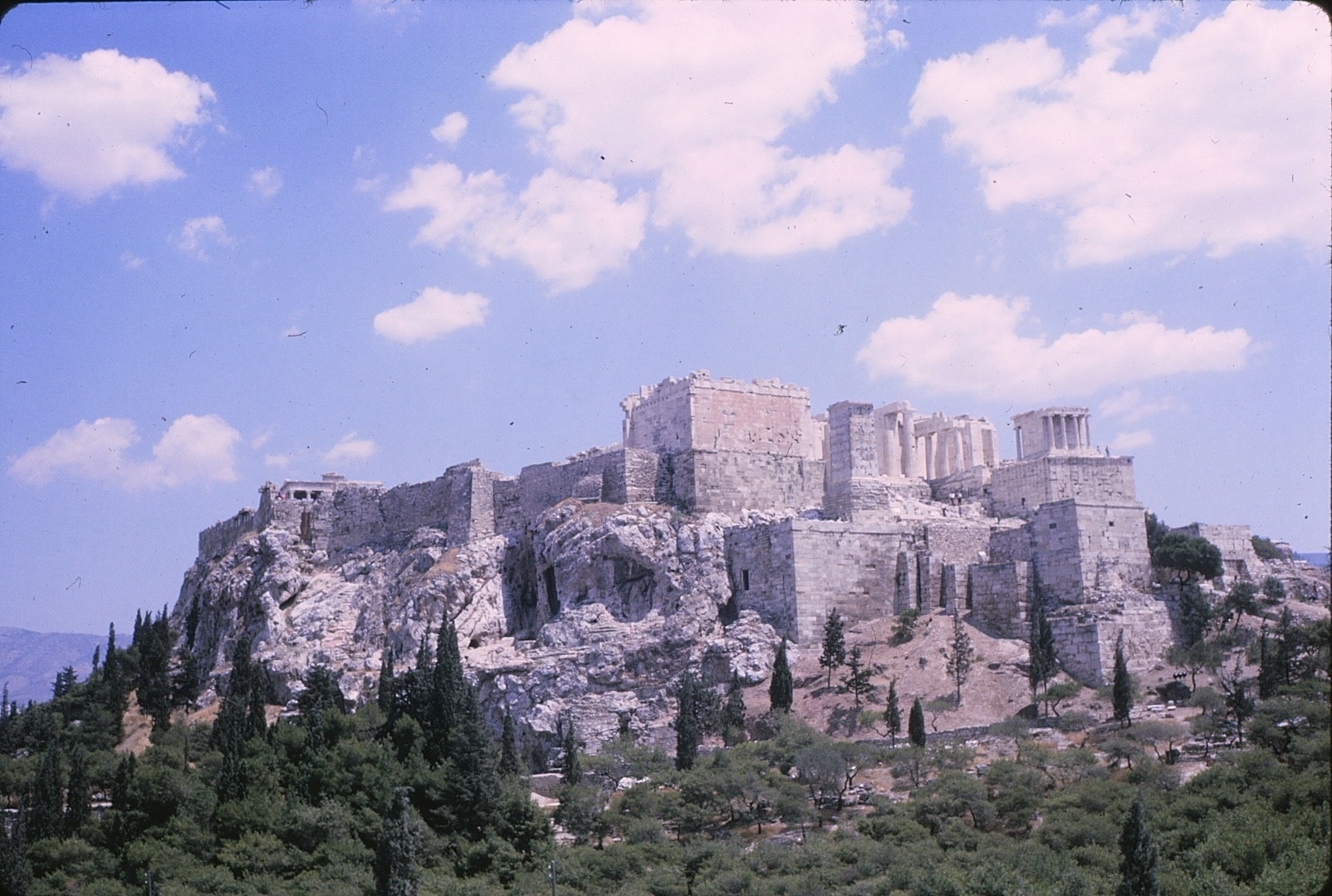
These photos (Kodak slides) were also taken by my grandparents while on vacation in 1966, and they've been scanned but not altered. The first image is of the Acropolis of Athens, and in this citadel all the other images except the last are found.
The middle images are of the Parthenon, and also of the Odeon of Herodes Atticus, an ancient amphitheater.
Second to last is the Porch of the Caryatids, also known as the "Porch of the Maidens,"which is found at the Erechtheion, an ancient Greek temple in the Acropolis.
The last image is of the Panathenaic Stadium, the location of the Panathenaic Games between the sixth and third centuries BC. The Panathenaic Games were like the Ancient Olympic Games but only Athenians competed. In the late 1800s the stadium was rebuilt, and the first modern Olympic Games took place there in 1896.